
Sacred Discomfort: Discovering Life's Deepest Magic
Austerities - From Distraction to Boredom To Delight
Cleo D Buchanan
2/12/20263 min read
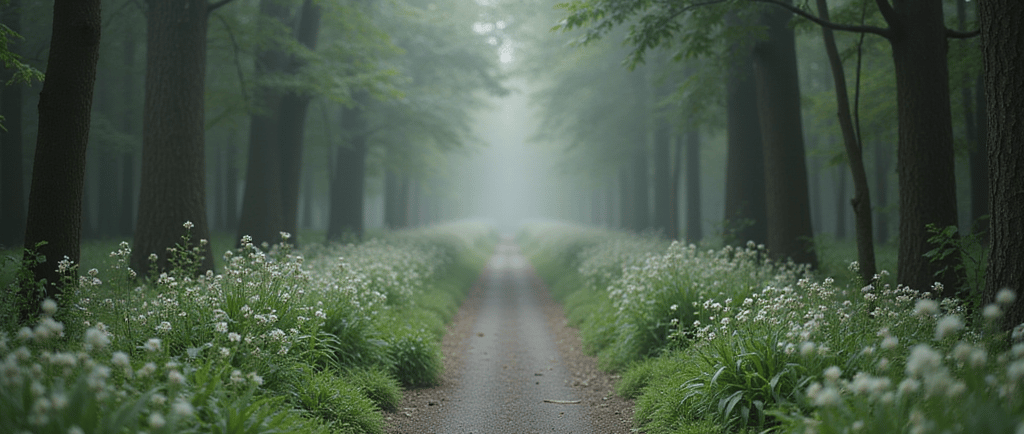

Think about the last time you felt the deepest profound connection to all the vibrant life around you. Have you looked at a sunset or held a child and felt the divine magic of the moment so powerful you know you are witnessing the sacred?
In that moment, there is a knowing, there is a deep magic here. A holy truth we are overwhelmed by and also this is a teaser - we know this divine beauty is the true nature of existence and we miss it daily.
In general, we take this moment for granted. We might work to be present. We might think about how we can appreciate more of this beauty around us, instead of forgetting.
Enter the lost art of austerities; defined as “simplifying life.”
Austerities come in several forms, all aimed at stripping away the layers that distract us from our true essence, our divine nature. We each walk around with about a hundred pounds of judgments - stories we tell about us - stories of limitations, roles we are required to play.
Austerities force us to cross the walls we previously maintained.
There are three types of austerity practices:
one simplifies life to strip illusions of identity,
another intentionally introduces discomfort,
and the third involves giving up something we rely on as a coping mechanism.
Now, let's explore the first kind of austerity, which focuses on revealing all the things we are not. This is what we often see in monastics, like nuns and monks wearing simple robes or shaving their heads. At first glance, it might seem trivial. That is their uniform.
If you think about it, our hair is a status mane. Clothes often serve as a whole code of dialogue about what tribe we are in. We identify all the different walks of life by their clothes. By sacrificing these, monastics reveal to themselves that they are not their appearance. And neither is anyone else.
It's a painful realization: We invest so much time and money in our appearance, yet because of this we often never meet the true beauty of the glittering being inside us.
Practices of deep humility include eating only what has been donated. This means begging for food daily, and experiencing daily food insecurity and also faith that they will be ok. We don't realize the power of accepting a blessing from the divine - to truly place ourselves in the hands of providence and live that way intentionally.
Moving on to the second kind of austerity, which is about embracing discomfort. This involves adopting habits that force us to endure constant, even if small, discomfort. For example, monks might wear insufficient clothing in the winter or heavy, scratchy robes in the heat.
The challenge here is to stay centered and seek the divine amidst these irritants, rather than expecting a sterile, pure environment. We often think of meditation as happening in a candle lit, undisturbed space to make concentration easy.
But by practicing in discomfort—like sitting in the cold—imagine what arises? Your anger, your arguments, your knowing this is unfair, your insistence you can just go get a coat and take care of this and it will go. This is our ego, righteous indignation, and urges to fix everything.
Just imagine - all of those voices are not us.
If we allow them to fall away, suddenly who are we? We might discover a vast, beautiful, silent truth—a divine being that sits in the cold and doesn't mind at all.
The third kind of austerity is about giving up a coping mechanism—something we feel we emotionally depend on, like coffee, chocolate, or endlessly scrolling through social media. This reveals what's hidden under each habit.
Emotions. Fear. Pain.
To feel the upset of years past rising when we are suddenly vulnerable can feel startling. But in practicing presence we allow the love - divine love - to hold and touch those pains and fears.
This experience is transformative. When we hold something huge that's been concealed all along and it melts in divine love —the divine within us, waits to embrace and heal us—we develop a hunger for it to happen again.
It's like tasting an incredible, compelling love that's ever present and evergreen.
Austerities remind us that MOST of our social habits, food indulgences, and comforts are just layers of false identities that we carry around.
By putting down these distractions, we connect with ourselves and others in a whole new way.
In the end, austerities are an opportunity to discover the undeniable power within us, lit from inside by the divine. They create a delighted hunger that's joyous and rich, eager to face triggers and reject coping mechanisms.
If we stay present through the craziness, we're rewarded with an irresistible cascade of joy, releasing old pains—like the panic of our inner child suddenly connecting us to the divine.
In practicing austerities, we don't just touch the divine—we ignite the loving fire inside ourselves; the divine masterpiece within you is ready to emerge.